Hikes in Sapa: A 2-Day Homestay Trekking Experience with Local Guides
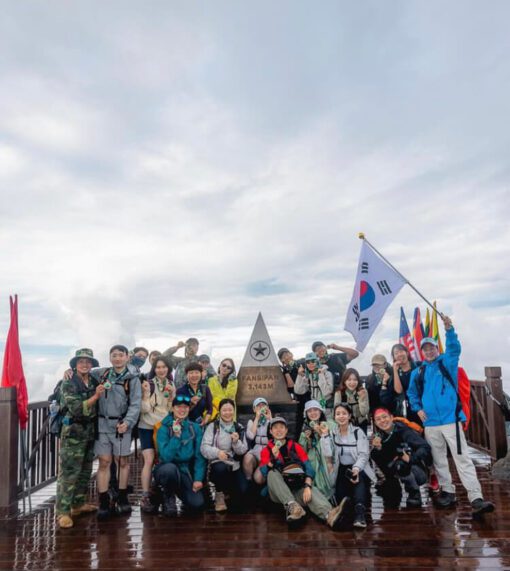
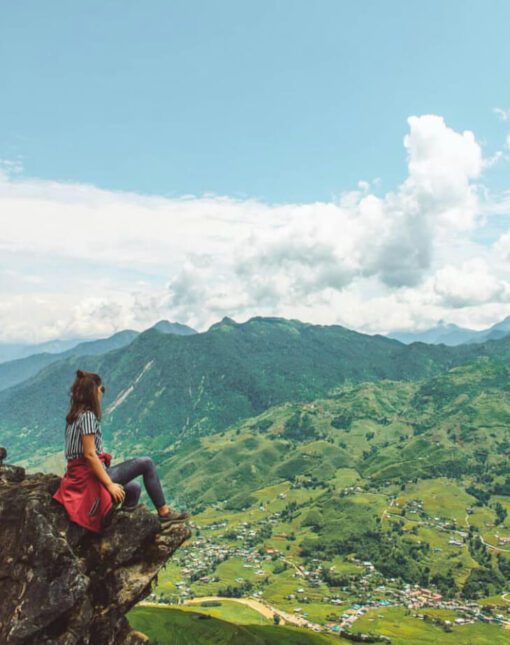
When people talk about hikes in Sapa, they often imagine rolling rice terraces, misty mountains, and colorful ethnic minority villages. While popular viewpoints like Fansipan and Cat Cat Village are well known, the most meaningful way to experience Sapa is on foot—walking village trails, sharing meals with local families, and staying overnight in traditional homes.
The Sapa Homestay Trekking 2-Day / 1-Night Tour is designed for travelers who want more than a short walk. This experience combines scenic hiking routes, authentic village life, and cultural connection, guided by local people who were born and raised in the mountains of Sapa.
Overview of the Sapa Homestay Trekking Tour
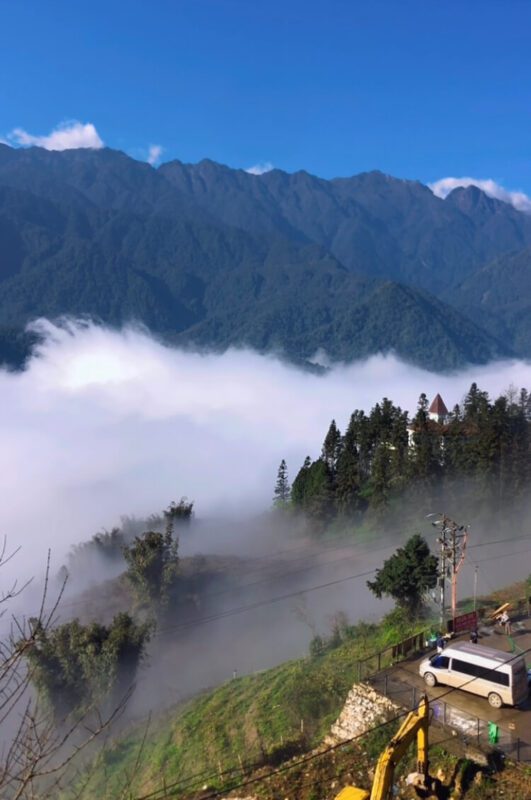
This tour offers one of the most rewarding hikes in Sapa, balancing nature, culture, and comfort.
- Start time: 9:00 AM on Day 1
- End time: Around 3:12 PM on Day 2
- Inclusions:
- 2 lunches, 1 dinner, 1 breakfast
- Overnight homestay in a local village
- Entrance fees to villages
- Transportation back to Sapa town (shared minivan or private car)
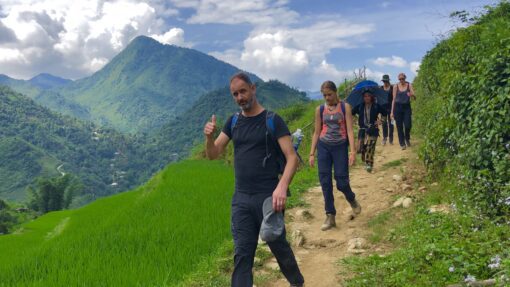
One of the highlights of this tour is flexibility. Depending on your fitness level, available time, and weather conditions, your guide will help you choose an easy, medium, or challenging hiking route. This makes it suitable for both active hikers and travelers looking for a slower pace.
What Makes Hikes in Sapa Special?
Unlike city walks or national park hikes, hikes in Sapa pass directly through living landscapes. Terraced rice fields are still farmed by hand. Water buffalo work the fields. Villages are home to Hmong, Red Dao, and Zay ethnic minorities, each with their own traditions, clothing, and customs.
During your trek, you will:
Walk through rice terraces and mountain valleys
Visit remote villages with minimal tourism
Eat meals cooked by local families
Learn about traditional farming and herbal medicine
Homestay Experience in Sapa
A key part of this trekking tour is the overnight Sapa homestay experience. Local families adapt their traditional houses to host guests while keeping their daily lifestyle intact.
Homestay facilities include:
- Hot showers
- Clean towels
- Western-style toilets
- Mosquito nets
- Electricity
- Comfortable, safe sleeping areas
Meals are shared together with the host family, creating a warm and welcoming atmosphere. This is where many travelers say they truly understand local life in Sapa.
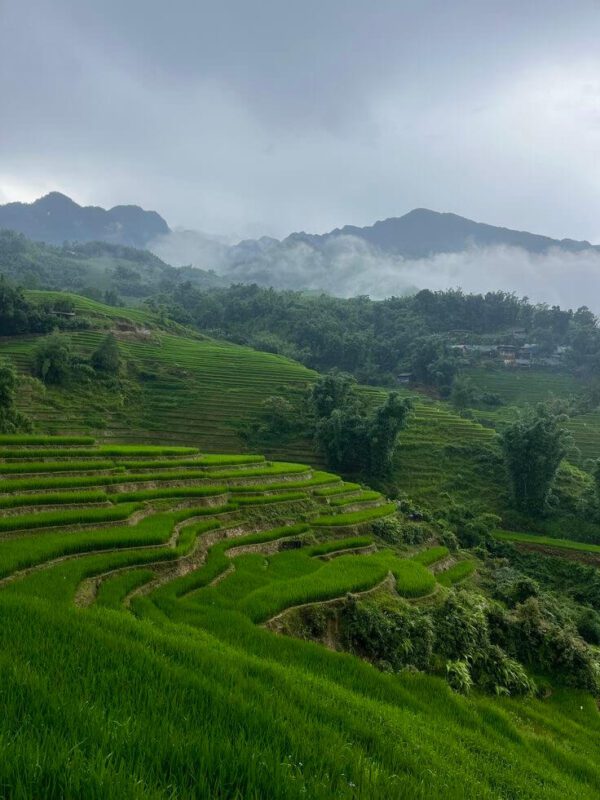
Local Activities During the hikes in Sapa
On the first day, lunch is served in a local Hmong house, where you can try traditional mountain dishes made with fresh ingredients.
You will also learn about special herb plants used by local people for medicine. Your guide or host may demonstrate how herbs are prepared and offer a traditional herbal foot bath, a relaxing and educational experience after a long day of hiking.
These small moments are what turn normal hikes in Sapa into unforgettable cultural journeys.
Option 2: Airplane Mountain & Rice Field Villages hikes in Sapa
This option is ideal for travelers who want a full hiking experience with varied landscapes, high viewpoints, and overnight village stays.
Day 1: Sapa → Sa Seng → Hang Da → Lao Chai → Ta Van (Homestay)
Your hike begins in Sapa, heading toward Zing (Airplane) Mountain, reaching about 1,800 meters above sea level. On clear days, you’ll enjoy wide views of Fansipan Peak, Sapa town, and surrounding valleys.
From Sa Seng Village, the trail continues to Hang Da Village, where you stop for lunch in a local home. After lunch, you descend into Muong Hoa Valley, one of the most beautiful trekking areas in northern Vietnam.
You then walk through Lao Chai Village, home to the Black Hmong ethnic minority, before arriving in Ta Van Village. Here, you stay overnight with a Zay or Hmong family, sharing dinner and learning about village life.
- Distance: 16–18 km
- Duration: 7–9 (up to 10) hours
Day 2: Ta Van → Bamboo Forest → Giang Ta Chai → Su Pang → Ban Den → Sapa
After breakfast, the trek continues through a peaceful bamboo forest and past a scenic waterfall on the way to Giang Ta Chai Village, home to Red Dao and Hmong communities and hikes in Sapa
The trail then follows mountain paths with stunning valley views, passing through Su Pang Village before descending to Ban Den town. After lunch in Ban Den, transportation takes you back to Sapa town.
- Distance: 15–16 km
- Duration: 6–7 hours
This route is one of the most scenic and culturally rich hikes in Sapa.
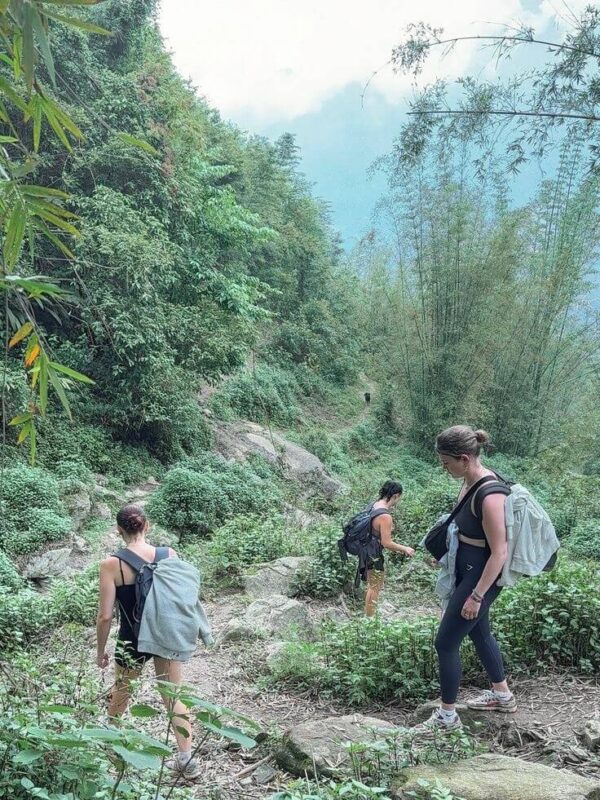
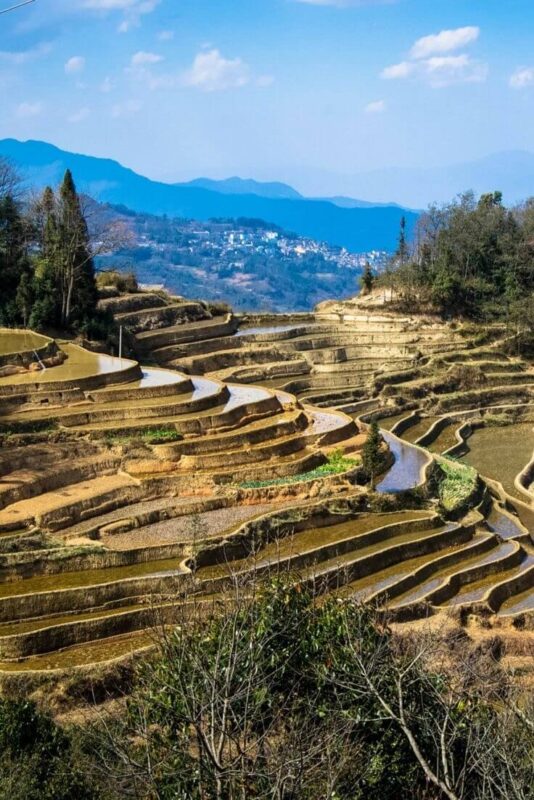
Option 3: Off-the-Beaten-Path Homestay hikes in Sapa
For travelers who prefer quieter trails, this option focuses on less-visited villages and rice terraces.
Day 1: Sapa → San Ho → Y Linh Ho → Lao Chai San 1 → Lao Chai San 2 (Homestay)
This hike leads you through San Ho and Y Linh Ho Villages, areas known for peaceful landscapes and traditional Black Hmong life. Lunch is enjoyed in a local house before continuing deeper into the valley.
You spend the night in Lao Chai San 2, staying with a welcoming local family.
- Distance: 14 km
- Trekking time: 6–7 hours
Day 2: Lao Chai San 2 → Seo My Ty Viewpoint → Ta Van → Giang Ta Chai → Sapa
After breakfast, you hike toward Seo My Ty, a high mountain viewpoint with panoramic views over Sapa and the surrounding valleys. After lunch, you descend toward Ta Van and Giang Ta Chai before returning to Sapa by transport.
- Distance: 15–17 km
- Trekking time: 6–7 hours
What’s Included
- Private English-speaking local guide
- 1 night homestay with dinner and breakfast
- 2 lunches (1 local house, 1 restaurant)
- Village entrance fees
- Transportation back to Sapa
Not Included
- Soft drinks and beverages
- Travel insurance
- Snacks and luxury accommodations
- Additional transportation not mentioned
Why Choose Hikes in Sapa with Local Guides?
Choosing locally guided hikes in Sapa means:
- Safer navigation on mountain trails
- Deeper cultural understanding
- Direct support for local communities
- Flexible routes based on your ability
Whether you’re seeking scenic rice fields, cultural exchange, or a true mountain adventure, these hikes in Sapa offer an experience that goes far beyond sightseeing.