Hidden Valleys Sapa Vietnam: Authentic Sapa Trekking with Kids Experience
If you are looking for a truly authentic experience in northern Vietnam, exploring the hidden valleys Sapa Vietnam offers something far beyond the typical tourist routes. Unlike crowded places such as Cat Cat Village or the Fansipan cable car, these remote valleys allow families to connect with nature, culture, and local life in a meaningful way.
For families traveling with children, Sapa trekking with kids can be an unforgettable experience—especially when you choose quiet villages, interact with local people, and explore real daily life in the mountains.
Why Choose Hidden Valleys in Sapa?
Most visitors only see the surface of Sapa. They visit busy viewpoints and tourist villages, but they miss the real beauty hidden deep in the mountains.
The hidden valleys Sapa Vietnam are where you will find:
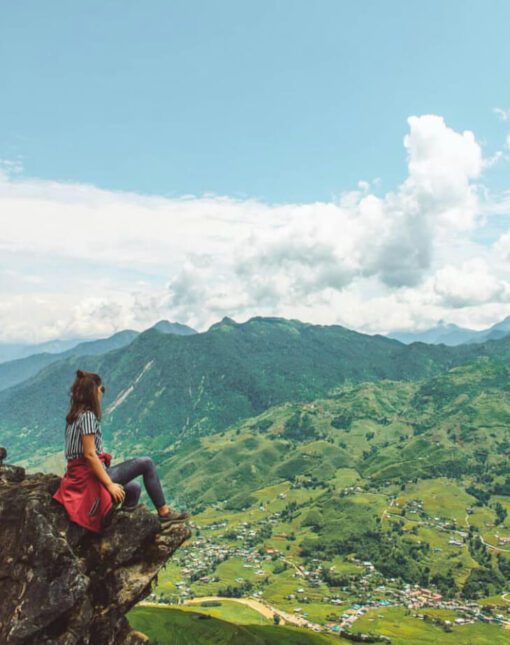
- Peaceful rice terraces without crowds
- Local Hmong, Zay, and Dao villages
- Traditional farming life
- Authentic homestay experiences
- Safe and quiet trekking routes for families
These valleys are perfect for those who want something real—not commercial tourism.
Best Time for Sapa Trekking with Kids
The best months for Sapa trekking with kids and exploring the hidden valleys Sapa Vietnam are:
March – April – May
This is the dry season with comfortable weather, making it safe and enjoyable for children.
Mid-May to Early June (Special Experience)
This is one of the most unique times to visit.
During this period:
- Local people begin planting rice
- Children can join local kids in the fields
- Families can experience real farming life
Early in the morning, around 5 AM, local families wake up, prepare breakfast, and go to the fields. Before working, they feed animals like pigs, chickens, and water buffalo.
Children can see how farmers:
- Guide water buffalo
- Plough the rice fields
- Plant rice by hand
This is something no tourist attraction can offer.
3-Day Sapa Trekking with Kids in Hidden Valleys
This itinerary is designed for families who want a safe and authentic adventure.
Day 1: Sapa – San Ho Village – Local Farming Experience
Your local guide will meet you at your hotel at 9 AM to begin your trek.
You will walk along small trails through rice terraces and see water buffalo in the fields. After about 5 km, you reach San Ho village.
Here, your children can:
- Learn how to plant rice
- Work alongside local kids
- See how water buffalo are trained for farming
After a picnic lunch with a local family, you continue the experience in the fields.
In the evening:
- Join a local family to cook traditional Black Hmong food
- Learn about local customs
Traditionally, when families finish planting rice, they celebrate by sharing food like chicken or pork with helpers.
You will stay overnight in a simple local homestay, not a luxury hotel—this is part of the authentic experience.
Day 2: Village Life and Cultural Activities
In the morning, you will:
- Help prepare breakfast
- Feed animals
- Experience daily village life
Children can explore nature by:
- Collecting edible plants from the forest
- Gathering food for animals
- Catching small crabs in the nearby stream
After lunch, you will learn how to make a traditional Black Hmong cake made from sticky rice.
This cake is used for:
- Weddings
- Special celebrations
- Important cultural events
You will spend a second night in the same homestay, allowing a deeper cultural connection.
Day 3: Trek Through Rice Fields – Return to Sapa
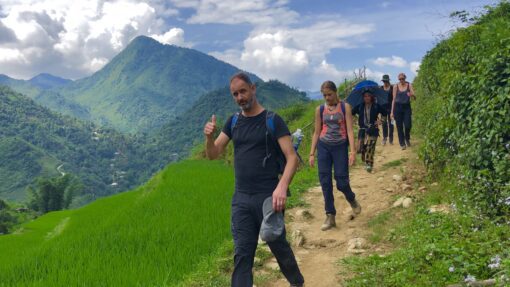
On the final day, you will trek through scenic rice fields from Hmong villages to Zay villages.
This is a peaceful walk through the hidden valleys Sapa Vietnam, far from tourist crowds.
After the trek, a car will take you back to Sapa town.
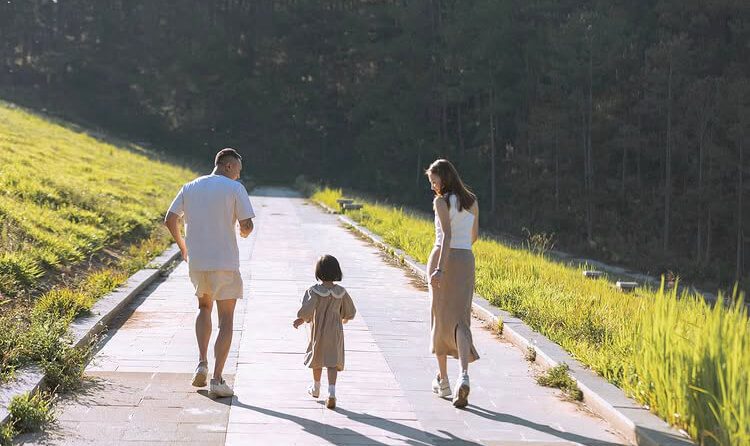
Easy Sapa Trekking with Kids (Option for Younger Children)
For families with younger kids (5–6 years old), there is an easier option.
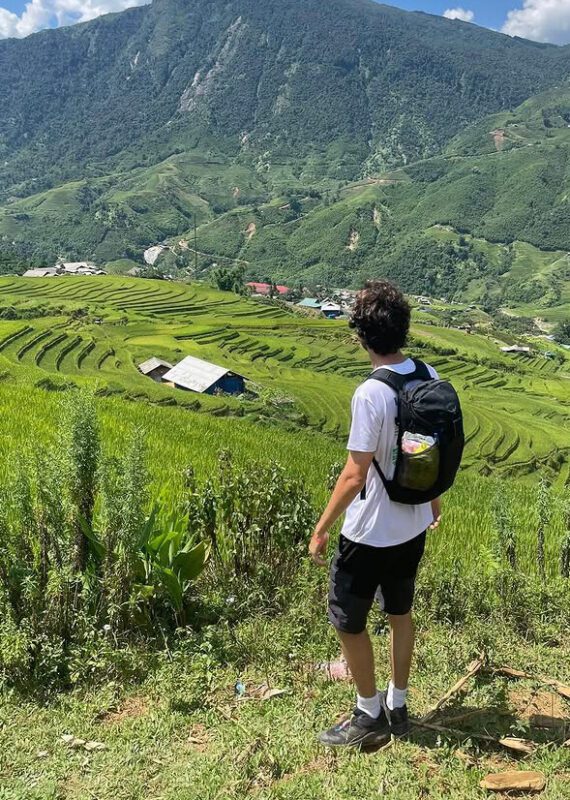
Day 1: Lao Chai – Ta Van Village
At 11 AM, your guide and driver will take you to Lao Chai village.
You will walk a gentle 5 km route to Ta Van village (2–3 hours).
Activities for children include:
- Making toys from natural soil
- Feeding chickens and ducks
- Learning how local children play without modern toys
This is a simple but meaningful cultural experience.
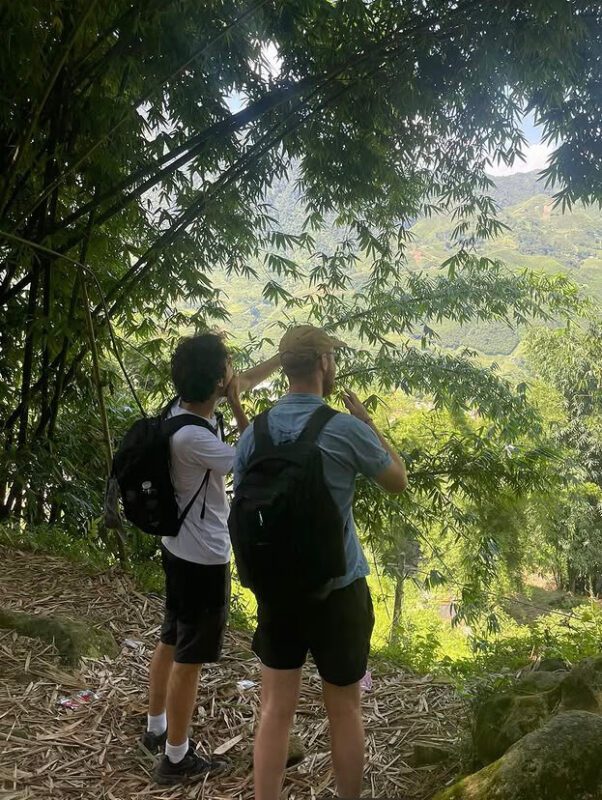
Day 2: Bamboo Forest – Waterfall – Return
After breakfast, you will trek through:
- Bamboo forest
- Scenic waterfalls
- Quiet villages
You will visit Giang Ta Chai village, home to Red Dao and Hmong communities.
After lunch, return to Sapa by car.
Distance: 7–9 km
Duration: 3–4 hours
Why Sapa Trekking with Kids Is Special
Unlike many destinations, Sapa trekking with kids is not just walking—it is learning, sharing, and experiencing life.
Children can:
- Play with local kids
- Learn farming skills
- Explore nature
- Experience a different culture
This type of travel helps children understand the world beyond cities and technology.
What to Bring for Family Trekking
Summer (June – September)
- Light clothing
- Raincoat
- Hat & sunscreen
- Mosquito repellent
Winter (October – May)
- Warm jacket
- Comfortable trekking shoes
- Extra socks
Final Thoughts
Exploring the hidden valleys Sapa Vietnam is one of the most meaningful travel experiences you can have—especially as a family.
Instead of crowded tourist attractions, you will discover:
- Real village life
- Beautiful landscapes
- Authentic cultural experiences
For families looking for something unique, Sapa trekking with kids offers a perfect combination of adventure, education, and connection.
1. What are the hidden valleys in Sapa Vietnam?
The hidden valleys in Sapa Vietnam are remote areas away from tourist crowds, where you can explore authentic villages, rice terraces, and local ethnic minority life.
2. Is Sapa trekking with kids safe?
Yes, Sapa trekking with kids is safe if you choose easy or moderate routes, have a local guide, and avoid bad weather conditions.
What to Do in Sapa with Kids
Traveling to Sapa with children can be an unforgettable experience. Instead of just sightseeing, kids can learn, explore, and interact with local culture. Here are the best things to do:
How Hard Is the Sapa Trek?
Trekking in Sapa can be easy, moderate, or challenging—it really depends on the route you choose, your fitness level, and the weather.
What to Wear Trekking in Sapa
What you wear in Sapa can make or break your trek. The weather changes quickly—sun, rain, mud, and cold can all happen in one day—so the key is comfortable, layered, and practical clothing.
🥾 1. Proper Trekking Shoes (Most Important)
- Waterproof hiking shoes or boots
- Good grip for muddy and slippery trails
- Broken-in (not brand new)