Explore the Beauty of Sapa Valley, Vietnam
Nestled in the northern mountains of Vietnam, Sapa Valley Vietnam is a dream destination for nature lovers, trekkers, and cultural explorers alike. Located in Lao Cai province near the Chinese border, Sapa is famous for its lush terraced rice fields, dramatic mountain landscapes, and vibrant ethnic minority cultures. A journey through this beautiful valley offers an unforgettable experience that blends natural beauty with authentic local traditions.
What Makes Sapa Valley Vietnam Special?
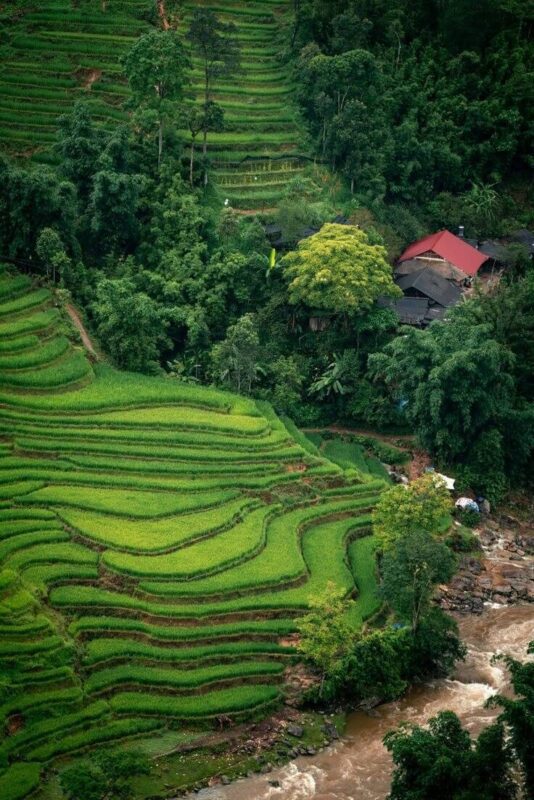
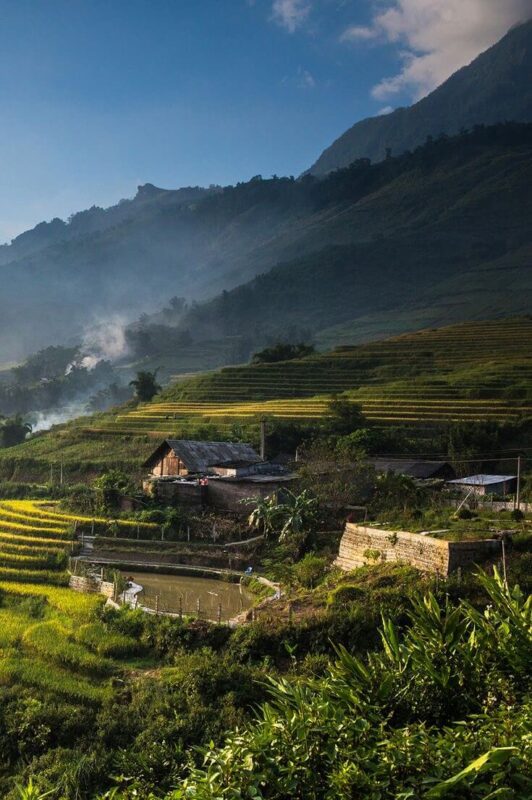
Sapa Valley Vietnam is most famous for its iconic rice terraces that stretch across the hillsides like green and golden waves. These terraces have been cultivated for centuries by local ethnic minority groups such as the Black Hmong, Red Dzao, Zay, and Tay people. Visiting the valley offers more than just picturesque views—it allows travelers to witness a way of life that has remained largely unchanged over generations.
The valley lies at an altitude of about 1,600 meters above sea level, offering a cool and pleasant climate most of the year. This makes it perfect for trekking and exploring without the extreme heat common in southern parts of Vietnam.
Trekking Through the Sapa Valley
One of the best ways to experience Sapa Valley Vietnam is through a guided trekking tour. Whether you’re a beginner or an experienced hiker, there are treks for all levels. You can embark on easy half-day walks through local villages or challenge yourself with multi-day treks that take you deep into the valley, through bamboo forests, waterfalls, and remote farming communities.
Popular trekking routes include visits to villages like Lao Chai, Ta Van, Y Linh Ho, and Giang Ta Chai, where you can meet local people, learn about their traditions, and enjoy delicious home-cooked meals. The highlight of most treks is staying overnight in a local homestay, where you can truly immerse yourself in the daily life of the people who call this valley home.
Sapa Valley Through the Seasons
The beauty of Sapa Valley Vietnam changes with the seasons, making each visit unique. From June to September, the rice terraces are at their greenest, while September is harvest season when the fields turn a stunning golden yellow. This is considered the best time for photography and cultural experiences. In the winter months (October to February), Sapa can get quite cold and foggy, but the landscape takes on a mysterious and romantic charm.
Cultural Encounters in the Valley
One of the most enriching aspects of visiting Sapa Valley Vietnam is the chance to interact with local ethnic minorities. Many families open their homes to travelers through homestay tours, offering insight into their customs, crafts, and food. You might see women weaving textiles, children herding water buffalo, or elders preparing traditional herbal baths.
Local guides—often from these ethnic groups—can explain the significance of cultural practices, religious beliefs, and the deep connection between the people and the land. This adds a deeper layer to your visit beyond sightseeing.
Sustainable and Ethical Travel in Sapa Valley
As tourism grows in Sapa Valley Vietnam, it’s essential to travel responsibly. Choosing tours run by local enterprises or guides ensures that your money supports the community. Look for trekking companies that are owned or operated by ethnic minority women, pay fair wages, and are mindful of environmental sustainability.
For example, Sapa Weather Trekking Tours is a social enterprise that employs local guides and organizes homestay experiences that benefit local families while offering visitors a genuine experience of the valley.
Planning Your Visit
- How to Get There: The best way to reach Sapa is by overnight train or bus from Hanoi to Lao Cai, followed by a short drive to Sapa town.
- What to Bring: Comfortable hiking shoes, a raincoat, sun protection, and mosquito repellent are essential.
- Where to Stay: Choose a homestay in the valley for an authentic experience or stay in Sapa town for more comfort.
Final Thoughts
Sapa Valley Vietnam is more than just a scenic destination—it’s a place where nature, tradition, and culture come together to offer something truly special. Whether you’re hiking through rice terraces, sharing a meal with a Hmong family, or simply enjoying the mountain air, Sapa promises a journey that touches both the eyes and the heart.