The Ultimate Sapa Guide: Everything You Need to Know for Your Trip to Northern Vietnam
If you’re planning a trip to Vietnam, one destination that should absolutely be on your list is Sapa. This enchanting town in the northern mountains is famous for its breathtaking rice terraces, vibrant ethnic minority cultures, and trekking opportunities that bring you closer to nature and local life. This complete Sapa guide will help you plan the perfect visit—whether you want a relaxing getaway or an immersive trekking adventure.
Where Is Sapa and Why Visit?
Sapa is located in Lao Cai Province, in the far north of Vietnam, near the border with China. Sitting at an altitude of around 1,500 meters (4,921 feet), it offers cooler weather and stunning views of mountains like Fansipan—the highest peak in Indochina.
What makes Sapa so special is its combination of natural beauty and rich cultural heritage. The region is home to various ethnic minority groups, including the Black Hmong, Red Dao, Zay, and Tay people. A trip to Sapa gives you the chance to experience their traditional customs, foods, and lifestyles, many of which have been preserved for generations.
Best Time to Visit Sapa and do some trek with sapa guide
One of the first questions people ask when looking for a Sapa guide is: when should I go?
- Spring (March to May): The weather is mild, the flowers are in bloom, and the rice terraces begin turning green. It’s a beautiful time for photography and trekking.
- Summer (June to August): Expect lush green landscapes and heavier rains, but also fewer tourists. It’s a great time to see farmers working in the rice fields.
- Autumn (beginning and middle of September): This is arguably the best time to visit. The rice terraces are golden and ready for harvest. The weather is also dry and cool.
- Winter (December to February): It can get cold and misty, with occasional snow on the peaks. This is ideal for those who enjoy a moody, atmospheric landscape.
Getting to Sapa
Most visitors reach Sapa from Hanoi, the capital of Vietnam. There are a few travel options:
- Overnight train: Comfortable and scenic, the train takes you from Hanoi to Lao Cai station. From there, it’s about a one-hour drive to Sapa town.
- Sleeper bus: A cheaper option, with several departures daily. The trip takes around 6-7 hours.
- Private car or motorbike: This allows more flexibility, but the mountainous roads require experienced drivers.
- Trekking over night homestay with local sapa guide
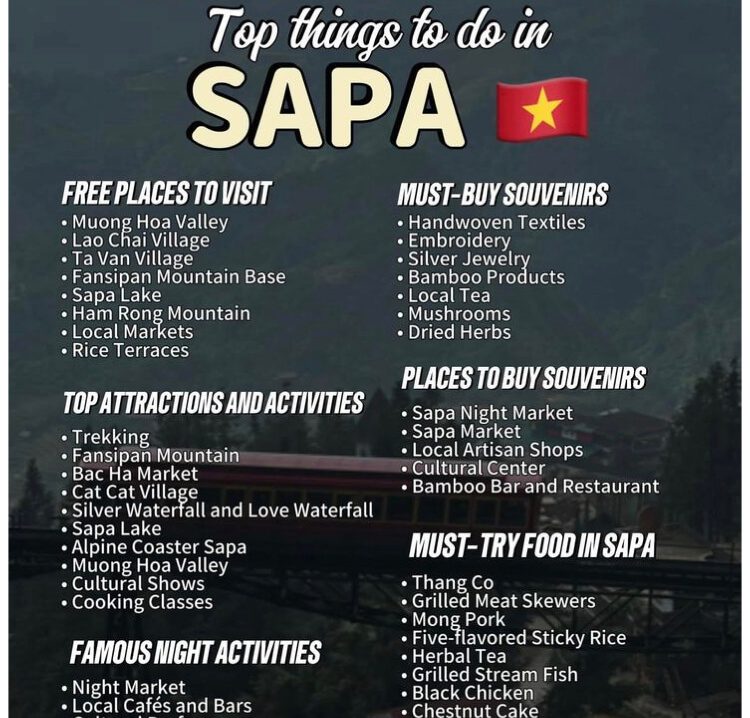
Things to Do in Sapa
This Sapa guide wouldn’t be complete without covering the best activities in the region.
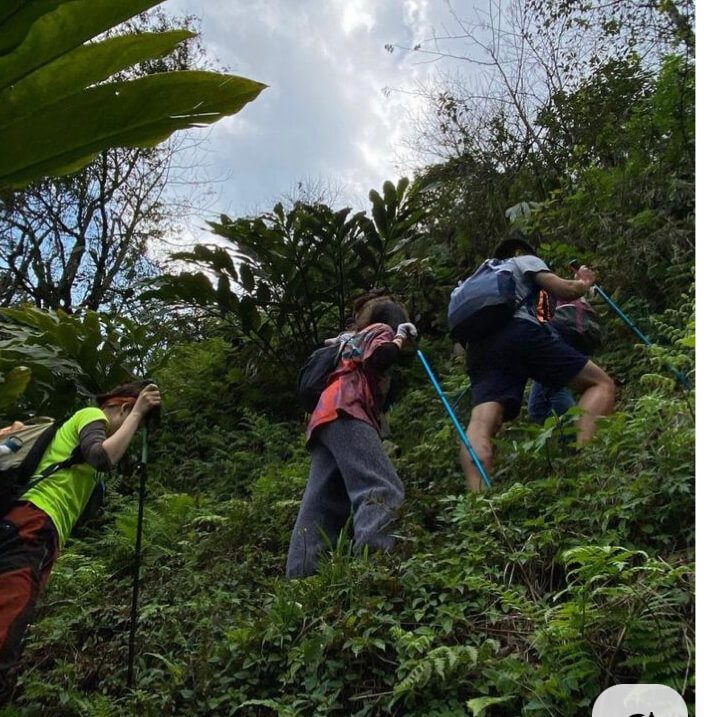
1. Trekking in Sapa with sapa guide
Trekking is the number one reason people visit Sapa. Sapa guide treks range from short 3-hour walks to multi-day adventures through mountains, valleys, and ethnic villages.
Popular trekking routes include:
- Lao Chai – Ta Van – Giang Ta Chai: Ideal for a one-day trek to see rice terraces and local homes.
- Y Linh Ho – Lao Chai – Ta Van: Slightly more challenging, offering beautiful hill views.
- Fansipan Mountain trek: A tough two-day hike for those who want to summit “the Roof of Indochina.”
2. Fansipan Mountain by Cable Car
Not ready to hike Fansipan? Take the world’s longest three-rope cable car to the summit. You’ll see panoramic views of the Hoang Lien Son range, and on a clear day, clouds below your feet.
3. Visit Local Markets
Sapa Market and Bac Ha Market are colorful and lively places to witness local culture. Ethnic minority women sell handmade clothes, fresh vegetables, medicinal herbs, and traditional foods.
4. Stay in a Homestay
For a more authentic experience, stay overnight with a local family. Many homestays are located in villages like Ta Van or Ban Ho. You’ll learn how locals cook, farm, and live—and you might even join a traditional meal or dance.
5. Explore Waterfalls and Valleys
Silver Waterfall and Love Waterfall are popular spots near Sapa. The scenic Muong Hoa Valley is also a must-see, especially if you’re into landscape photography.
What to Eat in Sapa
The food in Sapa reflects the region’s ethnic diversity. A good Sapa guide will recommend you try:
- Thang Co: A traditional Hmong stew, usually made with horse meat. It’s an acquired taste, often served in markets.
- Grilled skewers: Pork, tofu, mushrooms, and even eggs grilled over charcoal—perfect for cold evenings.
- Salmon hot pot: Thanks to the cool climate, Sapa farms its own salmon. It’s often served as a flavorful hot pot dish with fresh herbs and vegetables.
- Sticky rice and corn wine: Local sticky rice varieties are delicious, especially with a cup of homemade corn wine.
Cultural Etiquette and Tips
- Dress modestly when visiting villages. Locals appreciate respectful behavior and conservative clothing.
- Always ask before taking photos of people, especially in ethnic villages.
- Buy directly from locals when possible. It supports their livelihoods and ensures you’re getting authentic handmade goods.
- Tipping is not required, but appreciated, especially for guides and homestay hosts.



Packing Essentials for sapa guide
Your packing list will depend on the season, but here are general must-haves:
- Waterproof hiking shoes
- Light rain jacket
- Layers (it gets cold at night)
- Sunscreen and insect repellent
- Reusable water bottle
- Small backpack for treks
- Camera for those picture-perfect terraces
Responsible Tourism in Sapa
Sapa has grown in popularity, and with it comes the responsibility to travel sustainably. Support social enterprises and local women’s groups, like those offering handcrafted textiles, cooking classes, and sapa guide treks. Avoid riding animals for photos and minimize single-use plastic during your stay.
By respecting local customs and choosing ethical travel providers, your trip can help preserve Sapa’s unique culture for future generations.
Conclusion
This Sapa guide has covered everything you need to know for planning your journey: from when to go, how to get there, and what to do, to what to eat and how to travel responsibly. Whether you’re drawn by the majestic scenery or the welcoming local communities, a visit to Sapa promises memories that will stay with you long after your journey ends.
So pack your bags, lace up your hiking boots, and prepare to be enchanted by the magic of Sapa.