Sa Pa Vietnam Tour: Discover the Hidden Gem of Northern Vietnam
- A Sa Pa Vietnam tour offers a breathtaking escape into a world where misty mountains meet cascading rice terraces, and ancient cultures thrive in remote hilltop villages. Nestled in the northwest region of Vietnam, close to the Chinese border, Sa Pa is a highland town in Lao Cai Province that has become a favorite destination for travelers seeking nature, adventure, and authentic cultural experiences.
The Beauty of Sa Pa’s Landscape
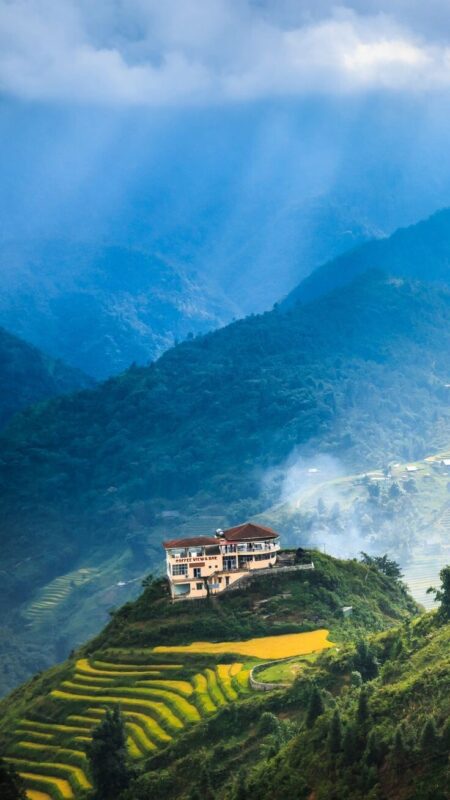
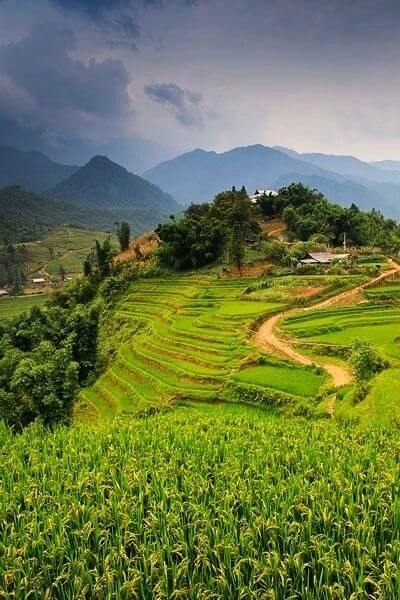
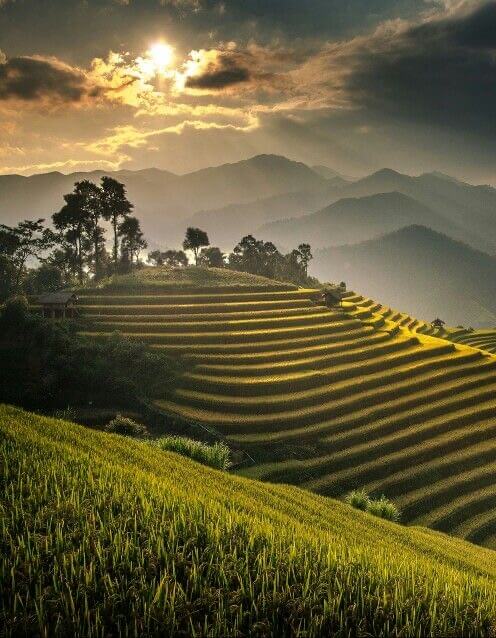
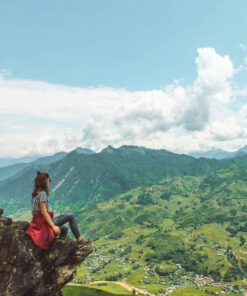
One of the most iconic features of any Sa Pa Vietnam tour is its spectacular scenery. Sa Pa lies at the foot of Fansipan, the highest peak in Indochina, known as the “Roof of Vietnam.” The terraced rice fields that curve along the mountain slopes are a masterpiece of traditional farming methods and an unforgettable sight, particularly during planting (May–June) or harvest season (September–October).
Whether you’re hiking through lush valleys, trekking across suspension bridges, or simply enjoying the view from a homestay, Sa Pa’s natural beauty is always close at hand. The dramatic changes in weather and elevation add to the mystical charm, with clouds rolling in and out, creating a dreamlike atmosphere.
Ethnic Culture and Local Life
A Sa Pa Vietnam tour is not just about scenic views—it’s also about the people. The region is home to several ethnic minority groups, including the Black Hmong, Red Dao, Tay, and Giay, each with their own language, customs, and colorful clothing. Visiting their villages provides an intimate glimpse into traditional ways of life.
Many tours offer the chance to stay overnight in local homes, participate in cooking classes, or watch artisans practice ancient crafts like batik painting and traditional embroidery. These immersive experiences not only enrich your journey but also support sustainable tourism and empower local communities.
Trekking Adventures
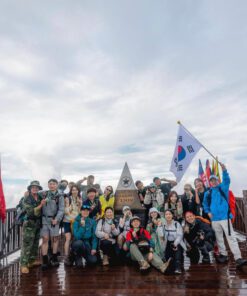
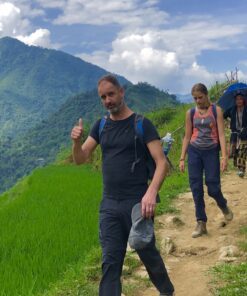
For adventure lovers, a Sa Pa Vietnam tour often includes trekking through the famous Muong Hoa Valley or challenging yourself with a hike to the summit of Mount Fansipan. Guided treks vary in difficulty, from short walks to multi-day hikes through remote villages.
The trails offer panoramic views of rice terraces, bamboo forests, and mountain passes. Along the way, local guides—often ethnic minority women—share stories about the land, medicinal plants, and local customs. For an easier option, many travelers take the Fansipan cable car, which offers sweeping views all the way to the top.
Markets and Cuisine
No Sa Pa Vietnam tour is complete without a visit to the local markets. The Sa Pa Market in town and the famous Bac Ha Sunday Market attract people from nearby villages who come to sell handicrafts, herbal medicines, clothing, and livestock. These vibrant gatherings are a feast for the senses and an opportunity to buy unique souvenirs directly from local artisans.
Food lovers will also enjoy Sa Pa’s rich culinary offerings. Sample local specialties such as grilled pork skewers, bamboo-tube rice, herbal hotpots, and corn wine. Cooking classes offered in homestays give visitors the chance to learn how to prepare traditional dishes with fresh ingredients sourced from local farms.
Best Time to Visit
The best time for a Sa Pa Vietnam tour depends on your interests. March to May and September to November are considered ideal, offering pleasant weather and clear skies. The summer months are lush and green, while winter (December to February) can be quite cold, with occasional snowfall on higher peaks.
All Sa Pa Vietnam tour BOOK NOW

Planning Your Sa Pa Vietnam Tour
Getting to Sa Pa is relatively easy, with overnight trains and express buses running daily from Hanoi to Lao Cai, followed by a short drive up the mountain. Whether you’re joining a guided tour or exploring independently, it’s recommended to spend at least 2–3 days to fully appreciate what Sa Pa has to offer.
From its jaw-dropping landscapes to its deep cultural roots, a Sa Pa Vietnam tour promises an unforgettable journey into the heart of Vietnam’s northern highlands.