Backpacking in Vietnam – The Ultimate Guide for First-Time and Long-Term Travelers
Backpacking in Vietnam is one of the most popular and rewarding travel experiences in Southeast Asia. Vietnam is affordable, safe, diverse, and rich in culture, making it ideal for both first-time backpackers and experienced travelers. Most backpackers spend USD 35–52 per day, enjoying delicious street food, comfortable hostels, scenic landscapes, and unforgettable local experiences.
Vietnam stretches more than 1,600 km from north to south, so a typical backpacking trip lasts 2 to 4 weeks, often following a north-to-south (or south-to-north) route. Along the way, travelers experience vibrant cities, dramatic mountains, peaceful countryside, and stunning coastlines.
Typical Backpacking in Vietnam
If you’re into Vietnam backpacking, get ready for a wild ride filled with bustling markets, mouthwatering street food, and epic landscapes! Whether you kick off in Hanoi or wrap up in Ho Chi Minh City, every stop is bound to be an adventure.
A classic north-to-south backpacking route includes:
- Hanoi
- Ha Long Bay or Bai Tu Long Bay
- Sapa
- Ha Giang Loop
- Ninh Binh
- Hue
- Hoi An
- Ho Chi Minh City
- Mekong Delta
Hanoi – Starting Point for Northern Vietnam (3–4 Days)
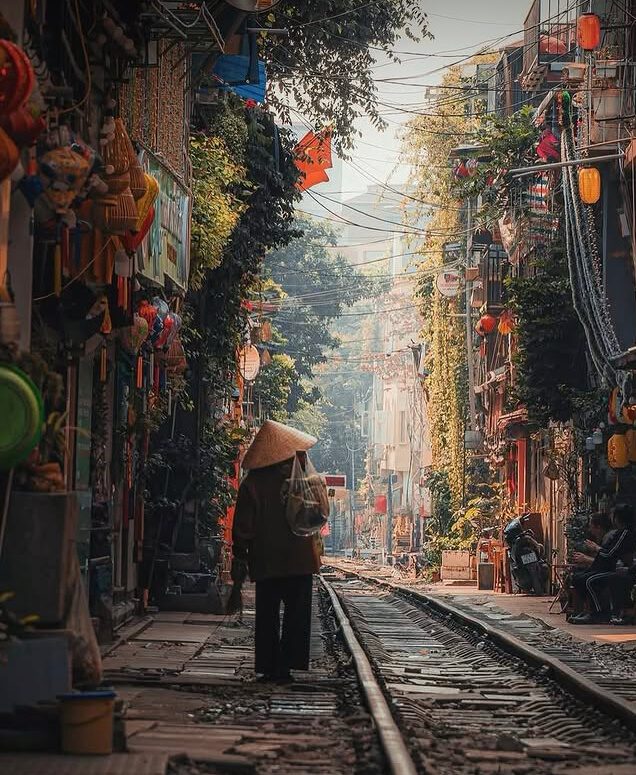
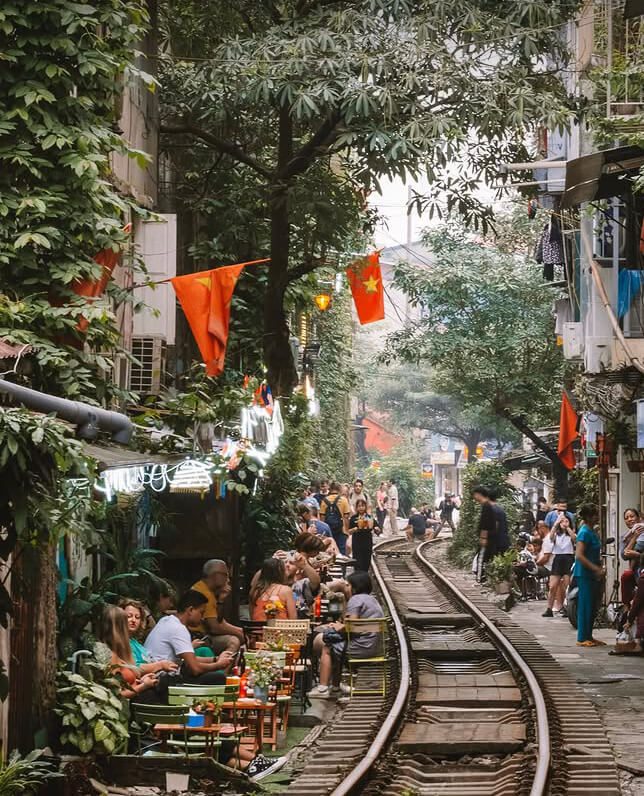
Hanoi, the capital of Vietnam, is the main gateway for backpackers exploring northern Vietnam. The city blends ancient history with modern energy.
Things to do in Hanoi:
- Explore the Old Quarter
- Walk around Hoan Kiem Lake
- Visit museums and temples
- Enjoy street food such as pho, bun cha, and banh mi
Hanoi is also the main departure point for trips to Ha Long Bay, Sapa, Ha Giang, and Ninh Binh.
Ha Long Bay or Bai Tu Long Bay (2–3 Days)
A cruise through Ha Long Bay or the quieter Bai Tu Long Bay is a highlight of many Vietnam backpacking trips. Limestone karsts rising from emerald water create one of Vietnam’s most iconic landscapes.
Popular activities:
- Overnight cruise
- Kayaking
- Visiting floating villages
- Cave exploration
Budget backpacker cruises and mid-range options are widely available.
Sapa – Trekking & Ethnic Villages (2–4 Days)
Sapa is one of the most popular destinations for backpacking in Vietnam, especially for trekking and cultural experiences.
Sapa Homestay Trekking Experience
Sapa homestay trekking offers an immersive experience with local ethnic minority families such as Hmong, Zay, and Red Dao.
Overview:
- Start: 9:00 AM (Day 1)
- End: ~3:12 PM (Day 2)
- Includes:
- 2 lunches, 1 dinner, 1 breakfast
- Overnight homestay
- Entrance fees
- Transportation back to Sapa
Facilities at homestays:
- Hot showers, towels
- Western-style toilets
- Mosquito nets
- Electricity
- Clean and safe accommodation
Trekking Options in Sapa
Option 1: Scenic Rice Field Trek
Route: Sapa → Y Linh Ho → Lao Chai → Ta Van
- Distance: 12–13 km
- Duration: 5–7 hours
Option 2: Mountain & Valley Trek
Route: Sapa → Sa Seng → Hang Da → Lao Chai → Ta Van
- Distance: 15–16 km
- Duration: 7–9 hours
Option 3: Off-the-Beaten-Path Trek
Route: Sapa → San Ho → Lao Chai San 1 → Lao Chai San 2
- Distance: 14 km
- Quiet trails, fewer tourists
- Ideal for backpackers seeking authenticity
During late June to early September, rice fields are lush green or golden. Other months offer peaceful landscapes and village life.
Day 3 Fansipan Mountain and cat cat village
Ha Giang Loop is one of the most Backpacking in Vietnam– Motorbike Adventure (3–4 Days)
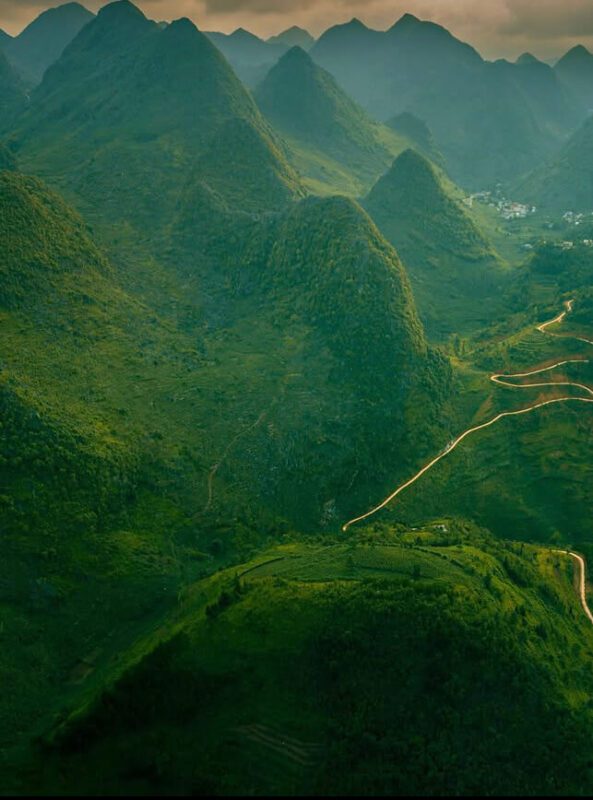
The Ha Giang Loop is considered the ultimate adventure for backpacking in Vietnam. This motorbike journey takes you through dramatic limestone mountains and remote ethnic villages near the Chinese border.
Sample 3-Day Ha Giang Loop Itinerary
Day 1: Ha Giang → Yen Minh (90 km)
- Bac Sum Pass
- Quan Ba Heaven Gate
- Lung Tam village
Day 2: Yen Minh → Meo Vac (110 km)
- Tham Ma Pass
- Ma Pi Leng Pass
- Tu San Canyon
Day 3: Meo Vac → Ha Giang (145 km)
Many tours include:
- Motorbike rental
- Helmet & safety gear
- Local guide
- Homestay accommodation
- Meals
Ninh Binh – “Ha Long Bay on Land” (2 Days)
Ninh Binh is famous for its rivers, caves, and limestone karsts.
Highlights:
- Trang An boat ride
- Cycling through rice fields
- Hoa Lu ancient capital
- Cuc Phuong National Park trek
- Endangered Primate Rescue Center
This destination is peaceful and ideal for nature lovers.
Central Vietnam: Hue & Hoi An
Hue (1–2 Days)
- Imperial City
- Royal tombs
- Vietnam War history
Hoi An (3–5 Days)
- Lantern-lit old town
- Tailor-made clothes
- Beach time
- Cycling through countryside
Hoi An is one of the most charming stops on any Vietnam backpacking route.
Ho Chi Minh City & Mekong Delta
Ho Chi Minh City (3–4 Days)
- Cu Chi Tunnels
- War Remnants Museum
- Backpacker area (Pham Ngu Lao)
Mekong Delta (1–2 Days)
- Floating markets
- River life
- Fruit farms
- Boat tours
Budgeting for Backpacking in Vietnam
Vietnam is extremely budget-friendly:
- Daily budget: USD 30–50
- Hostels: USD 5–15 per night
- Street food: USD 1–4 per meal
- Local beer: USD 0.30–1
- Transport: Night buses & trains are cheap and efficient
Essential Backpacking Tips
- Visa: Many nationalities can apply for a 90-day e-visa
- Safety: Generally very safe; use Grab or metered taxis
- Packing: Light clothes, rain jacket, power bank
- Culture: Learn basic Vietnamese phrases
- Insurance: Important if riding motorbikes
Final Thoughts on Backpacking in Vietnam
Backpacking in Vietnam offers a perfect mix of adventure, culture, food, and affordability. From trekking in Sapa and riding the Ha Giang Loop to cruising Ha Long Bay and exploring ancient towns, Vietnam delivers unforgettable experiences for every backpacker.